

Perseid meteor shower 2025 to light up UAE skies – here’s all you need to know
Peak nights may see up to 75 meteors an hour
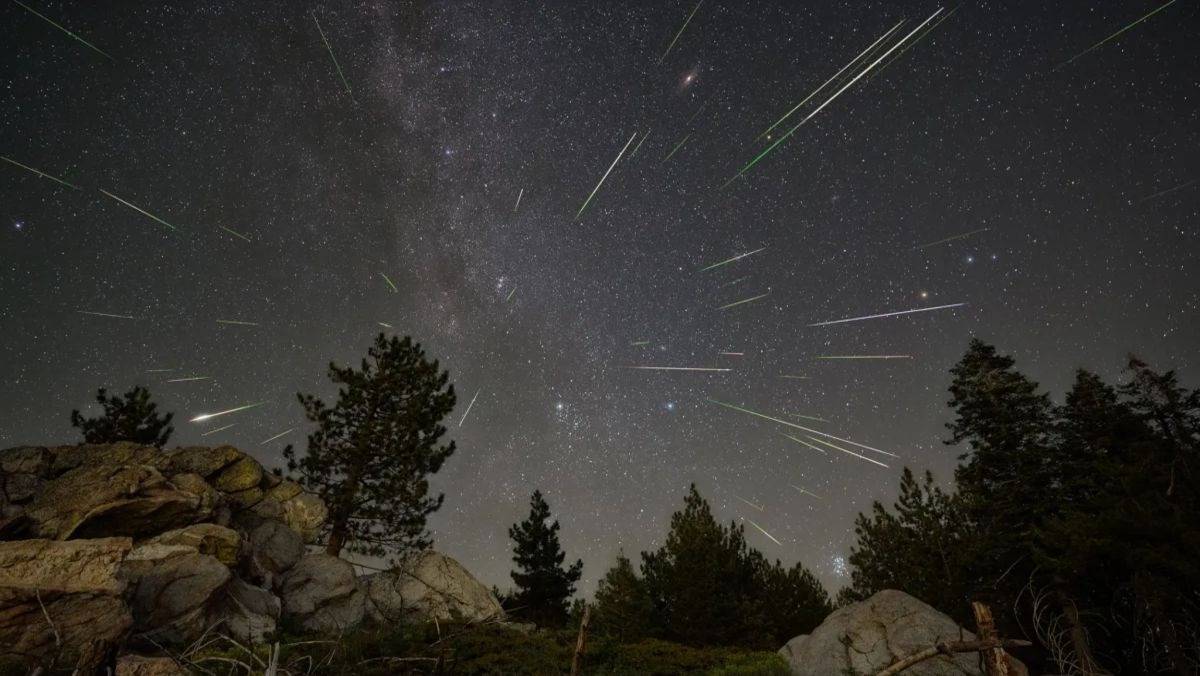
DUBAI: Stargazers across the United Arab Emirates are in for an astronomical highlight this August as the annual Perseid meteor shower returns to light up the night sky.
Recognised as one of the most dazzling celestial displays of the year, the Perseids are active until 23 August, with their peak expected from the night of Tuesday, 12 August, into the early hours of Wednesday, 13 August.
Perseid meteor shower 2025
This natural light show occurs when Earth passes through debris left by the 26-km-wide comet Swift-Tuttle. At its brightest, the shower can produce up to 75 meteors an hour, each travelling at around 60 kilometres per second. Although the radiant – the point from which meteors appear to originate – lies in the Perseus constellation, the streaks can cross any part of the night sky.
This year’s peak coincides with a nearly full Sturgeon Moon at 84% illumination, which could reduce the visibility of fainter meteors by up to 75%. Nevertheless, the brighter fireballs should still be visible from the UAE’s darker viewing locations.
Where to watch?
The Dubai Astronomy Group is leading the largest public viewing opportunity in the country, hosting a ticketed stargazing event at Jebel Jais, Ras Al Khaimah – the UAE’s highest peak.
The experience will feature guided telescope observations, a Perseid-focused astronomy talk, and a live sky mapping session under minimal light pollution. Tickets start from Dh150 and include expert-led Q&A sessions.
Event schedule at Jebel Jais
- 11:15 PM – Event introduction
- 11:45 PM – Talk on the Perseids
- 12:30 AM – Sky mapping workshop
- 01:00 AM – Q&A with astronomy experts
- 01:30 AM – Guided telescope observation
What about solo trips?
For those preferring to explore independently, the Dubai Astronomy Group recommends several dark-sky locations ideal for meteor viewing:
- Al Quaa Milky Way Spot (Abu Dhabi) – Roughly 90 minutes from Abu Dhabi towards Al Ain, this remote desert area is ideal for low-light conditions. Coordinates: 23.604633, 54.750256. A 4×4 vehicle is recommended.
- Al Qudra Desert (Dubai) – Just over an hour from Dubai, this popular location offers open horizons and easy access. Arrive early to settle in and adapt to the dark.
- Hatta (Dubai) – About 90 minutes from central Dubai, this mountainous area offers elevated sky views.
- Shuweihat Island (Abu Dhabi) – Known for dramatic salt flats and isolation, about four hours from Dubai. A 4×4 is advised.
When and how to watch?
While the main peak is between 12–13 August, the Dubai Astronomy Group notes that alternative dates may offer better conditions due to reduced moonlight:
- 16–26 August – Waning moon improves visibility, though meteor activity declines
The optimal viewing window each night is between midnight and dawn. Observers should arrive early, bring water and snacks, and allow 20–30 minutes for their eyes to adjust to the dark. Avoiding phone lights and bright screens will enhance the spectacle.
No telescopes or binoculars are required to enjoy the Perseid meteor shower – just a clear view of the night sky and patience for nature’s celestial fireworks.